Complete Guide to Dental Implants in St. George
Missing and Failing Teeth: A Complete Guide to Tooth Replacement in St. George
Losing a tooth can leave you with more questions than answers. Perhaps a tooth has broken beyond repair, your dentist has mentioned an extraction, or you've been living with a gap for years and are ready to explore your options. You may be concerned about your smile, your ability to chew comfortably, or what replacing a tooth will cost.
The good news is that tooth replacement isn't limited to one solution. Dental implants, bridges, and dentures can all restore missing teeth, but they work differently and serve different needs. Sometimes, the best option is to preserve a damaged tooth rather than replace it.
At Plumb Dental in St. George, Dr. Plumb and Dr. Woodbury take a planning-first approach, serving patients throughout St. George, Ivins, Santa Clara, and the surrounding Southern Utah communities. We evaluate your remaining teeth, gums, jawbone, bite, and overall oral health before recommending treatment.
This guide explains what happens when teeth are lost, which replacement options are available, and what to expect as you decide on your next steps.
Quick Takeaways
- A failing tooth doesn't always need extraction. Root canal treatment, crowns, or periodontal care may help preserve it.
- Missing teeth can affect more than appearance. Neighboring teeth may shift, supporting jawbone can shrink, and chewing function may change.
- Dental implants replace both the root and visible tooth. Bridges and dentures restore missing teeth through different approaches.
- Bone loss doesn't automatically rule out implants. Some patients benefit from bone grafting or other preparatory procedures.
- Treatment timelines vary. A bridge may be completed within weeks, while implant treatment generally requires several months of healing.
- Your best option depends on your needs. We consider oral health, treatment goals, medical history, timeline, and budget when developing recommendations.
Why Teeth Become Missing or Unsalvageable
Tooth loss can happen suddenly, but it often develops gradually. At our St. George, Utah practice, we find that understanding why a tooth failed helps us determine whether other teeth are at risk and how to protect your eventual restoration.
Common causes include:
- Advanced tooth decay: Untreated cavities can reach the inner tooth, while repeated restorations may leave too little healthy structure for another repair.
- Periodontal disease: Gum disease damages supporting tissues and bone, potentially loosening teeth even when the visible tooth structure remains intact.
- Cracks and fractures: A tooth may break following an injury, years of grinding, or stress around a large filling. Fractures extending into the root can make preservation difficult.
- Complications after root canal treatment: Reinfection, new decay, or fractures may eventually compromise a previously treated tooth.
- Dental trauma: Falls, sports injuries, and accidents can damage or dislodge teeth.
- Congenitally missing teeth: Some permanent teeth never develop, leaving spaces that may require treatment later in life.
A knocked-out permanent tooth or significant dental injury requires immediate attention. Contact Plumb Dental in St. George at (435) 673-9606 rather than waiting for a routine appointment.
What Happens When You Don't Replace a Missing Tooth?
A missing tooth doesn't necessarily cause immediate discomfort, especially when the gap is toward the back of your mouth. However, changes can develop gradually in the surrounding teeth and jaw.
Jawbone Loss
Your jawbone continually remodels in response to the forces placed on it. When a tooth is removed, the surrounding bone loses the stimulation previously provided by its root.
This can lead to bone resorption, particularly during the first year following extraction. The amount and rate vary, but the ridge may continue changing over time.
Dental implants help maintain bone around the implant by transmitting functional forces into the jaw. Bridges and conventional dentures replace visible teeth but don't provide the same stimulation at the missing tooth's original site.
Shifting Teeth and Bite Changes
Neighboring teeth may gradually tilt toward an empty space, while an opposing tooth can move farther into the gap. These changes may create food traps, complicate cleaning, and alter how your upper and lower teeth meet.
When several teeth are missing, the remaining teeth may also carry more chewing force, potentially contributing to additional wear or functional problems.
Changes in Chewing and Facial Support
Missing teeth can make certain foods harder to chew, particularly when several back teeth are absent. Extensive tooth and bone loss may also reduce support for the lips and surrounding facial tissues, contributing to visible changes over time.
Not every missing tooth requires immediate replacement, but it's worth having the space evaluated by a dentist familiar with your full oral health picture. For patients in St. George and the surrounding Washington County area, even when monitoring is appropriate, the decision should account for your bite, neighboring teeth, and future treatment possibilities.
How We Evaluate Missing and Failing Teeth
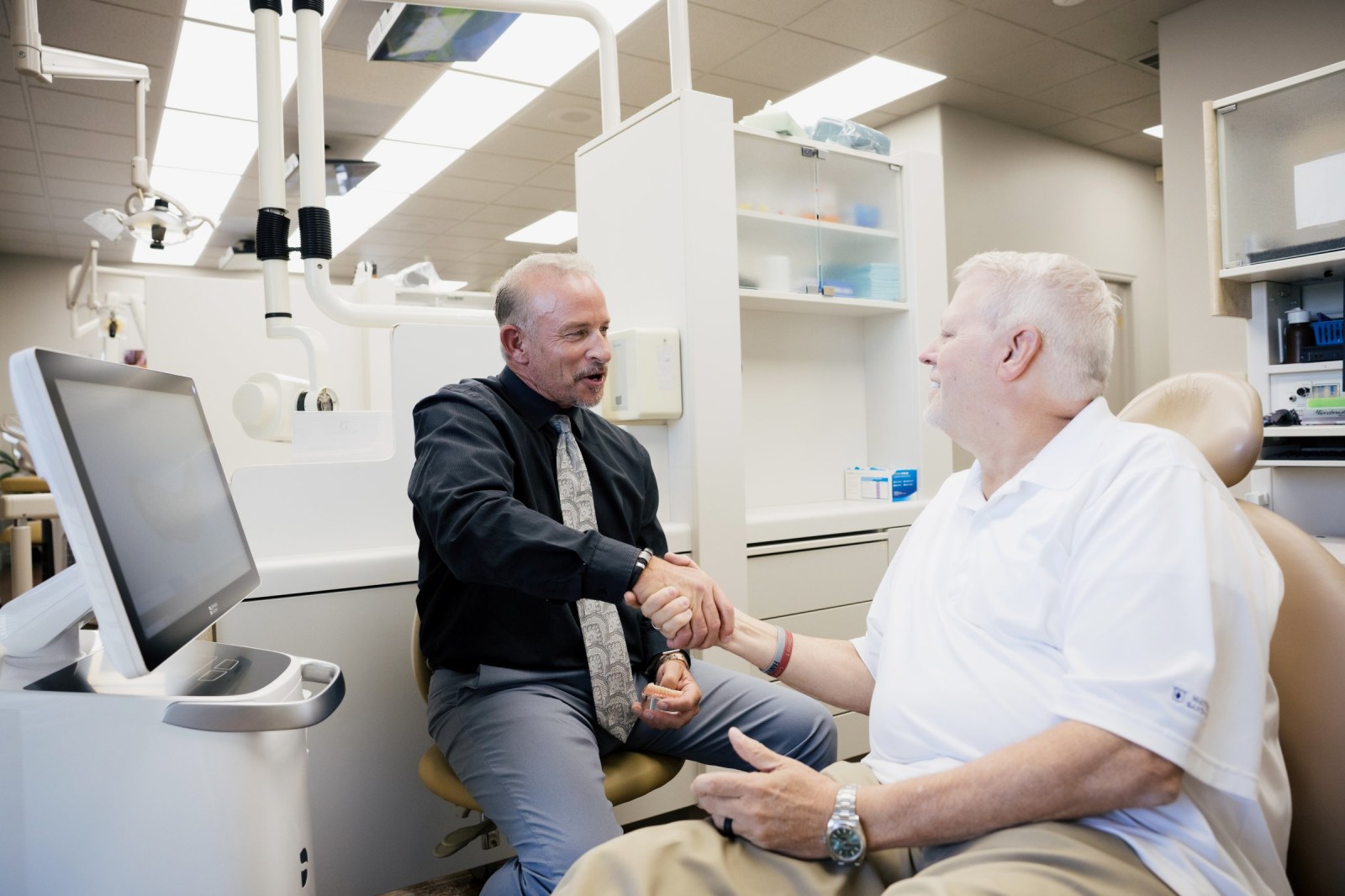
Before recommending a replacement, we need to understand the condition of your entire mouth, not just the tooth or space that brought you in. At our St. George dental office, your evaluation at Plumb Dental may include several steps.
Comprehensive Dental Examination
Dr. Plumb or Dr. Woodbury will examine your remaining teeth for decay, cracks, worn restorations, mobility, and other concerns. If the problem tooth is still present, we'll evaluate whether it can be predictably restored before discussing extraction.
Digital X-Rays and 3D Imaging
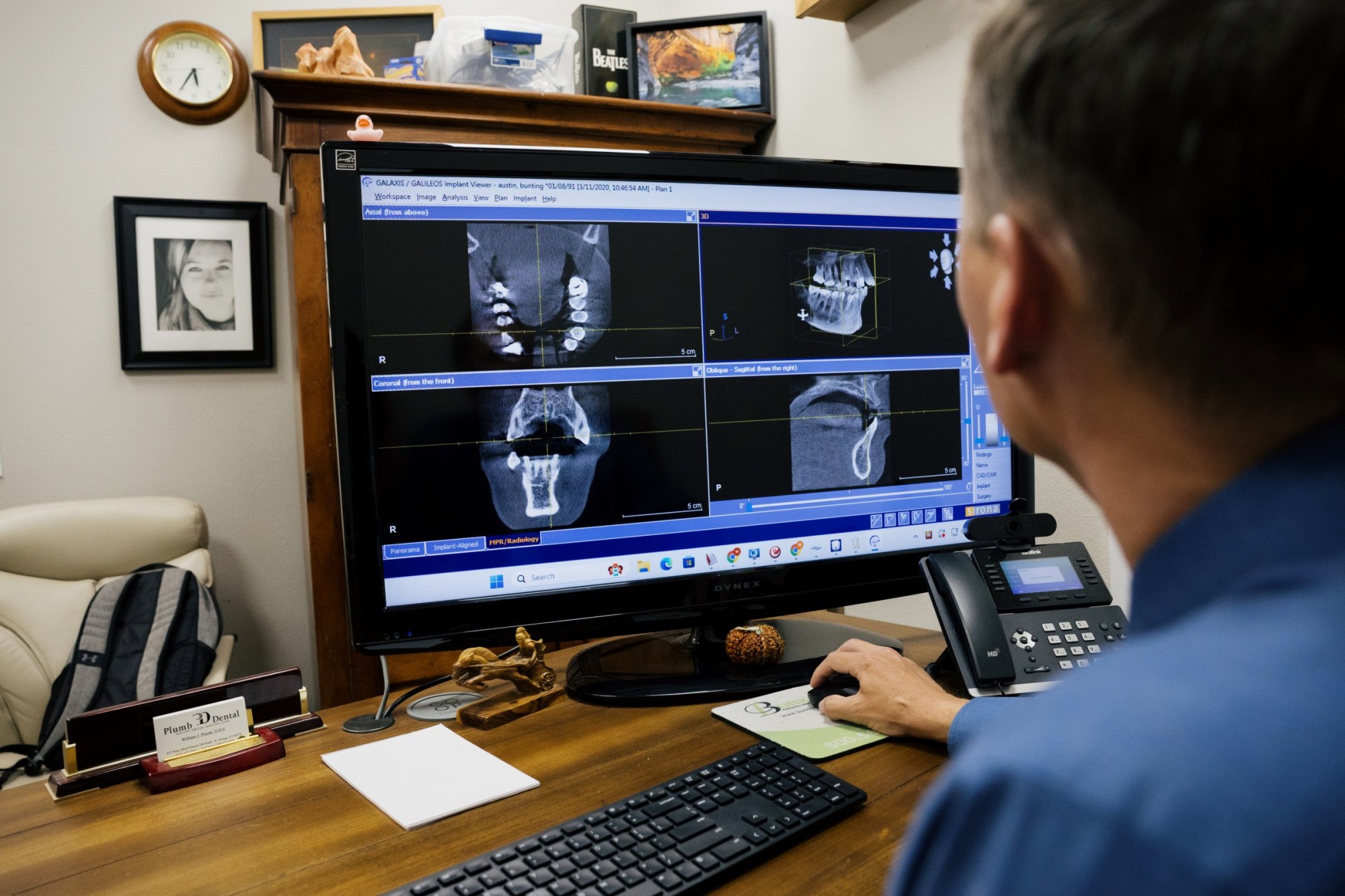
Digital X-rays help identify concerns involving roots, supporting bone, and surrounding structures. When implant treatment is being considered, 3D cone beam imaging may assess bone dimensions and the position of important anatomical structures, including nearby nerves and sinus cavities.
This information helps determine implant placement options and whether additional preparation is necessary.
Gum and Bone Assessment
Healthy supporting tissues are essential for natural teeth and restorations. We'll assess periodontal health, bone support, and gum tissue around the proposed treatment area. Active disease may need to be addressed before replacement begins.
Bite and Treatment Planning
We evaluate how your teeth come together, including signs of grinding, uneven pressure, or excessive wear. Once we understand the complete picture, we'll explain your options, anticipated timeline, costs, and relevant tradeoffs.
You don't need to arrive knowing which procedure you want. Our role is to help you understand which options are appropriate and why.
Can a Failing Tooth Be Saved Instead of Replaced?
Whenever possible, preserving a natural tooth is worth considering. A tooth that hurts, has a large filling, or appears badly damaged isn't automatically beyond repair. Depending on its condition, several treatments may help extend its useful life.
Root Canal Treatment
When the inner pulp becomes infected or severely inflamed, root canal treatment removes the affected tissue, cleans and seals the canals, and allows the tooth to remain in place. A properly restored root canal-treated tooth can function for many years.
Dental Crowns
A crown may protect a tooth weakened by a large filling, fracture, or extensive decay. Covering the remaining structure can restore function and reduce the risk of further damage when enough healthy tooth structure remains.
Periodontal Treatment
If gum disease compromises a tooth's supporting tissues, periodontal therapy may help control the infection and protect the remaining support. However, treatment cannot predictably preserve every tooth affected by advanced periodontal damage.
When Extraction Becomes Necessary
Removal may be recommended when a tooth has a vertical root fracture, extensive decay below the bone level, severe loss of periodontal support, or damage that cannot be predictably restored.
Whenever circumstances allow, we'll explain the recommendation and discuss replacement planning before proceeding.
Understanding Your Tooth Replacement Options
There is no single best replacement for every missing tooth. The number and location of missing teeth, condition of neighboring teeth, available bone, and your preferences all influence the decision.
Single Dental Implant
A single implant replaces a missing tooth using a small post placed into the jawbone, a connecting component, and a custom crown. Because it's independently supported, neighboring teeth generally don't need reshaping to hold it.
Implant treatment requires surgery and healing, but it can provide a stable, long-term replacement when the patient and treatment site are suitable.
Fixed Dental Bridge
A conventional fixed bridge replaces a missing tooth using a prosthetic tooth supported by crowns on neighboring teeth. It remains fixed in place and can often be completed more quickly than implant treatment.
The supporting teeth generally require preparation, so their existing condition matters. If those teeth already need crowns, a bridge may be a reasonable option.
Removable Partial Denture
A partial denture replaces several missing teeth using a removable appliance supported by remaining teeth and oral tissues. It restores appearance and function without implant surgery and is often more economical.
However, partials require daily removal and cleaning, may need periodic adjustments, and can feel different from natural teeth during chewing.
Complete Denture
A complete denture replaces all teeth in the upper or lower arch. Conventional dentures rest on the gums and restore smile appearance and chewing ability, although stability varies. Lower dentures can be particularly challenging because they have less surface area for support. As the underlying ridge changes, adjustments, relines, or replacement may become necessary.
Implant-Supported Denture
An implant-supported denture attaches to implants in the jaw, providing greater retention than a conventional removable denture. Depending on the design, it can be removed for cleaning while remaining more secure during everyday activities.
This can be especially helpful for patients who struggle with a loose lower denture.
Fixed Full-Arch Implant Restoration
For patients missing most or all teeth in an arch, several implants can support a complete fixed restoration. Often, four to six implants are used per arch, although the appropriate number depends on the clinical situation and restoration design. Unlike a removable denture, this restoration stays in place during daily use and is removed by a dental professional when necessary.
Resin-Bonded Bridge
Sometimes called a Maryland bridge, this option uses bonded supports attached to neighboring teeth to hold a replacement tooth. It generally requires less preparation than a conventional bridge and may suit certain front-tooth situations or serve as an interim solution. Its suitability depends on the bite, location, and available bonding surfaces.
Monitoring the Space
In selected situations, leaving a gap untreated may be reasonable. For example, replacing a back tooth may not be an immediate priority if it has little effect on function and the surrounding teeth remain stable.
We'll explain the potential consequences of waiting and monitor the area during routine visits.
Dental Implants: How They Replace a Missing Tooth
Dental implants differ from bridges and conventional dentures because they replace the missing tooth's root support as well as its visible structure.
A typical single-tooth implant restoration consists of three components.
- The implant post: Usually made from titanium, this fixture is placed into the jawbone. During healing, the surrounding bone integrates with its surface through a process called osseointegration.
- The abutment: This component connects the implant to the final restoration.
- The crown: A custom-made replacement tooth restores appearance and chewing function.
The same concept supports larger restorations. Multiple implants may hold a bridge, removable denture, or complete fixed arch.
Implants cannot develop cavities, but the surrounding gum and bone can become inflamed or infected. Long-term success depends on appropriate planning, healthy supporting tissues, daily hygiene, and professional maintenance visits with your St. George dental team.
Implants vs. Bridges vs. Dentures: Which Should You Choose?
Each option involves different considerations.
Treatment Time
Bridges and conventional dentures can often be completed within several weeks, depending on the case. Implants generally require longer because the bone needs time to integrate with the implant before the final restoration is placed.
Upfront and Long-Term Costs
Removable options generally have lower initial costs than implant treatment. Bridges often fall between removable restorations and implants, although actual fees vary. Implants require a larger initial investment, but their potential longevity may influence long-term value.
No restoration is guaranteed to last a lifetime. Bridges, implant crowns, and dentures may all require maintenance or replacement.
Impact on Neighboring Teeth
A single implant is independently supported and generally avoids preparing adjacent teeth. A conventional bridge relies on neighboring teeth, while removable partials may use those teeth for retention. The condition of your existing teeth helps determine whether that support is beneficial or introduces unnecessary treatment.
Everyday Comfort and Function
Implants and fixed bridges remain in place during eating and speaking. Removable dentures require an adjustment period and may offer less stability, although implant retention can improve their function.
Your priorities matter. Some patients prefer to avoid surgery, while others value a fixed restoration.
Who Is a Candidate for Dental Implants?
Many adults can be considered for dental implants, including some who have experienced bone loss or previously been told they weren't candidates. However, successful treatment requires careful evaluation.
Important considerations include:
- Adequate jawbone volume or the possibility of rebuilding it
- Healthy gums and control of active periodontal disease
- A fully developed jaw
- Medical conditions that may affect healing
- Smoking and nicotine use
- Medications and previous medical treatments
- Bite forces and grinding habits
- Ability to maintain the restoration over time
Well-managed diabetes doesn't automatically prevent implant treatment, but blood sugar control is important. Certain medications affecting bone metabolism, a history of radiation to the jaws, and other medical factors may require additional planning or coordination with your physician.
There is no fixed upper age limit for implants. Overall health and the condition of the treatment site matter more than age alone. If implants aren't appropriate, we'll discuss alternatives to restore your smile and function.
What to Expect During Tooth Replacement Treatment
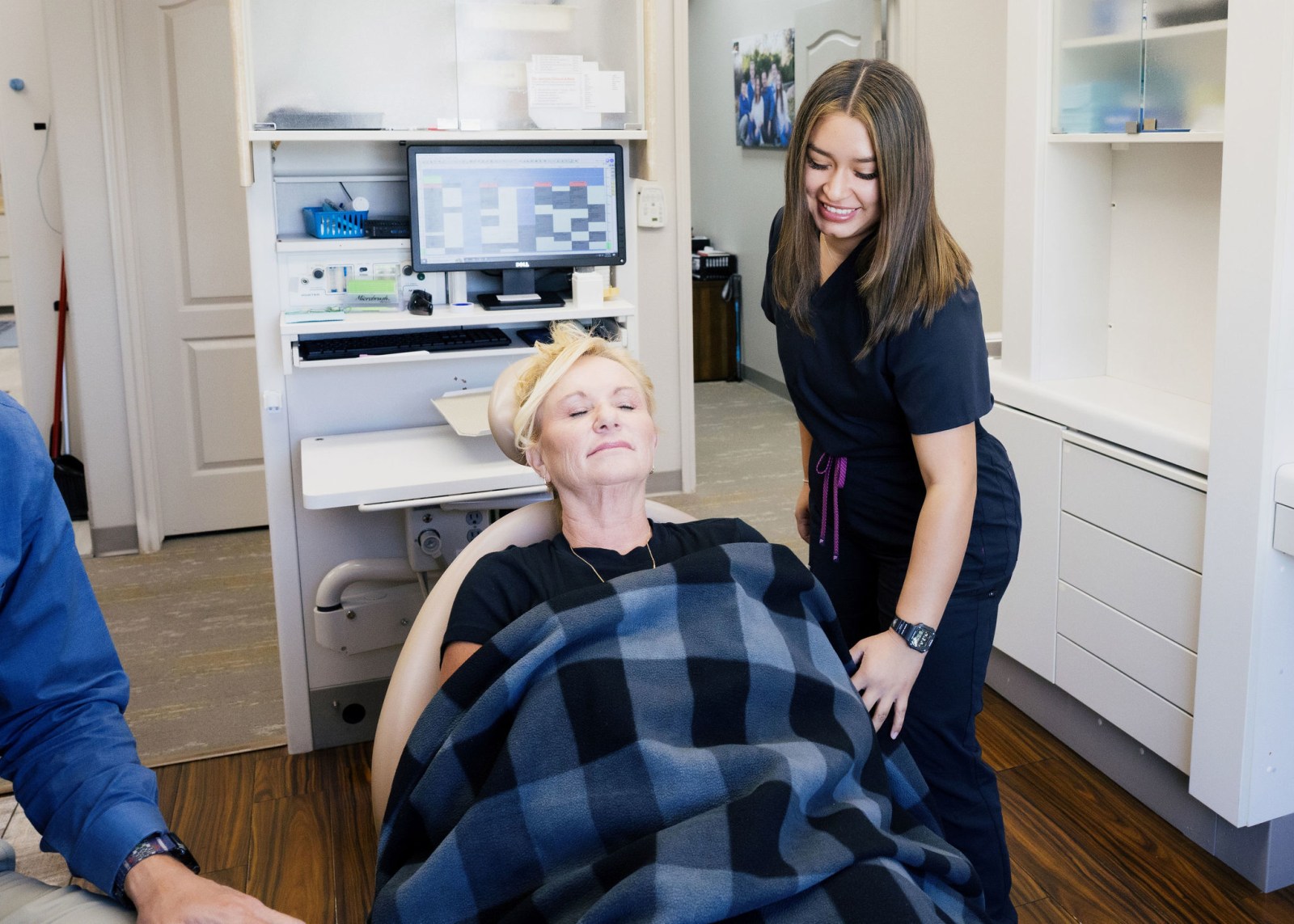
The experience depends on whether you're receiving an extraction, implant, bridge, or denture. For surgical procedures, local anesthesia numbs the treatment area. You may notice pressure or movement, but let us know if you experience discomfort so it can be addressed.
Bridge and denture appointments generally involve tooth preparation where necessary, impressions or digital scans, and fitting rather than implant surgery.
Sedation Options for Dental Anxiety
Dental anxiety is one of the most common reasons St. George patients delay care. If it has made it difficult for you to seek treatment, tell us during your consultation. Dr. Plumb has advanced training in sedation dentistry, and available options include:
- Local anesthesia: Numbs the treatment area while you remain fully awake.
- Oral conscious sedation: Medication taken before treatment to help you feel relaxed and drowsy. You'll need someone to drive you home.
- IV sedation: Medication administered intravenously to provide an appropriate level of sedation, with monitoring throughout the procedure.
The appropriate approach depends on your medical history, anxiety level, and planned treatment.
We'll review your options and provide preparation instructions before your appointment.
Tooth Replacement Recovery and Healing Timelines
Recovery varies according to the procedure, your overall health, and whether preparatory treatment is required.
After an Extraction
Some swelling and tenderness are expected during the first few days. You'll receive instructions for protecting the extraction site, managing discomfort, eating appropriate foods, and avoiding activities that could disturb the healing blood clot.
After Implant Placement
Swelling, tenderness, or bruising may occur during early recovery. Many patients resume routine activities relatively quickly, although restrictions depend on the extent of treatment.
The implant must then integrate with the surrounding bone. This commonly takes several months, and grafting or other clinical factors may extend the timeline. A temporary replacement may be possible during healing, particularly when a visible front tooth is involved.
After Bone Grafting
Initial recovery may resemble that of an extraction or implant procedure, but additional healing time is often needed before the next treatment stage. Sinus lift procedures also require specific precautions to protect the healing area.
Adjusting to Bridges and Dentures
Bridges typically require little recovery beyond any associated tooth preparation. New dentures and partials may take several weeks to feel familiar. Temporary sore spots, changes in speech, and difficulty with certain foods can occur during adjustment.
Contact our office if an appliance causes persistent discomfort. Adjustments are a normal part of achieving a comfortable fit.
Caring for Your Replacement Teeth
Every restoration requires ongoing maintenance, although cleaning techniques differ.
- Dental implants: Brush twice daily, clean around the restoration and between neighboring teeth, and attend professional maintenance visits to help reduce the risk of peri-implant disease.
- Bridges: Clean beneath the replacement tooth using floss threaders, interdental brushes, or other recommended tools. Keeping the supporting teeth healthy is essential to longevity.
- Dentures and partials: Remove and clean them as directed using appropriate non-abrasive products. Follow instructions for overnight storage and contact us if the fit changes.
- Fixed full-arch restorations: Follow the cleaning routine recommended for your restoration, including cleaning beneath the prosthesis and attending professional maintenance appointments.
If you grind or clench your teeth, a night guard may help protect your restorations from excessive forces. Regular examinations also help us identify changes in your gums, bone, bite, or restoration before small concerns become larger problems.
What Does Tooth Replacement Cost in St. George?
Tooth replacement costs in St. George vary considerably because treatment for one missing tooth may differ from what's needed for several missing or failing teeth. Patients across Washington County come to us with very different starting points, and fees reflect that range.
Factors influencing your estimate include:
- The number and location of missing teeth
- Whether extractions or periodontal treatment are necessary
- Bone grafting, sinus lifts, or other preparatory procedures
- The number of implants being placed
- The type and materials of the final restoration
- Imaging and treatment planning
- Sedation, when appropriate
Removable restorations generally involve a lower initial investment, while implant-supported and fixed full-arch options typically require more extensive treatment.
However, the lowest upfront cost isn't necessarily the lowest long-term cost. Maintenance, adjustments, repairs, and eventual replacement should also factor into your decision.
Dental Insurance and Payment Options
Dental benefits for tooth replacement vary by plan. Some policies provide limited implant coverage or contribute toward specific restorative components, while others exclude implant treatment. Annual benefit maximums and other restrictions may also affect reimbursement.
Plumb Dental is not in-network with dental insurance plans. We currently submit claims as a courtesy, and any portion not paid by your plan is due at the time of service. Our practice is moving toward an entirely fee-for-service billing model, and patients will be informed ahead of any changes.
During your consultation at our St. George office, we'll provide a written treatment estimate, help you understand anticipated benefits, and discuss available payment options.
Frequently Asked Questions
How soon after an extraction can I get a dental implant?
Sometimes an implant can be placed immediately after extraction. Other sites require healing or bone grafting first. Your timeline depends on available bone, infection, gum health, and the condition of the extraction site.
Is it too late to replace a tooth that's been missing for years?
Not necessarily. Many longstanding gaps can still be restored. However, bone loss or tooth movement may mean additional treatment is necessary before placing a replacement.
Can I combine different tooth replacement options?
Yes. A treatment plan may include an implant in one area, a bridge elsewhere, and a partial denture for additional missing teeth. The combination should reflect your oral health and functional needs.
Can tooth replacement be planned around travel or a move?
Often, yes. Some treatment stages require a short recovery period, while implant healing takes several months. Tell us about upcoming travel during your consultation so we can discuss scheduling and continuity of care.
Should I get a second opinion before extensive tooth replacement?
A second opinion can be valuable, particularly when considering multiple extractions, full-arch restoration, or a substantial financial investment. It may confirm the original recommendation or help you better understand the alternatives.
Can dental implants fail?
Yes. Although implants have a strong record of long-term success, failure is possible. Early complications may involve unsuccessful integration with the bone. Later problems can include peri-implant inflammation and bone loss. Careful planning, control of relevant health conditions, good hygiene, and ongoing maintenance help reduce these risks.
Will my replacement teeth look natural?
The goal is to create restorations that complement your surrounding teeth and facial features. For visible teeth, we consider shade, shape, proportions, and gum contours. The final appearance depends on your individual anatomy and restoration type.
Do I need to replace every missing tooth?
Not always. Some spaces can be monitored when replacement isn't necessary or appropriate. That decision should follow an evaluation of your bite, neighboring teeth, oral health, and the potential effects of leaving the gap untreated.
Explore Your Tooth Replacement Options at Plumb Dental in St. George
You don't need to know whether an implant, bridge, or denture is right for you before scheduling an appointment. You may simply have a broken tooth, an uncomfortable denture, or a missing tooth you've been meaning to address.
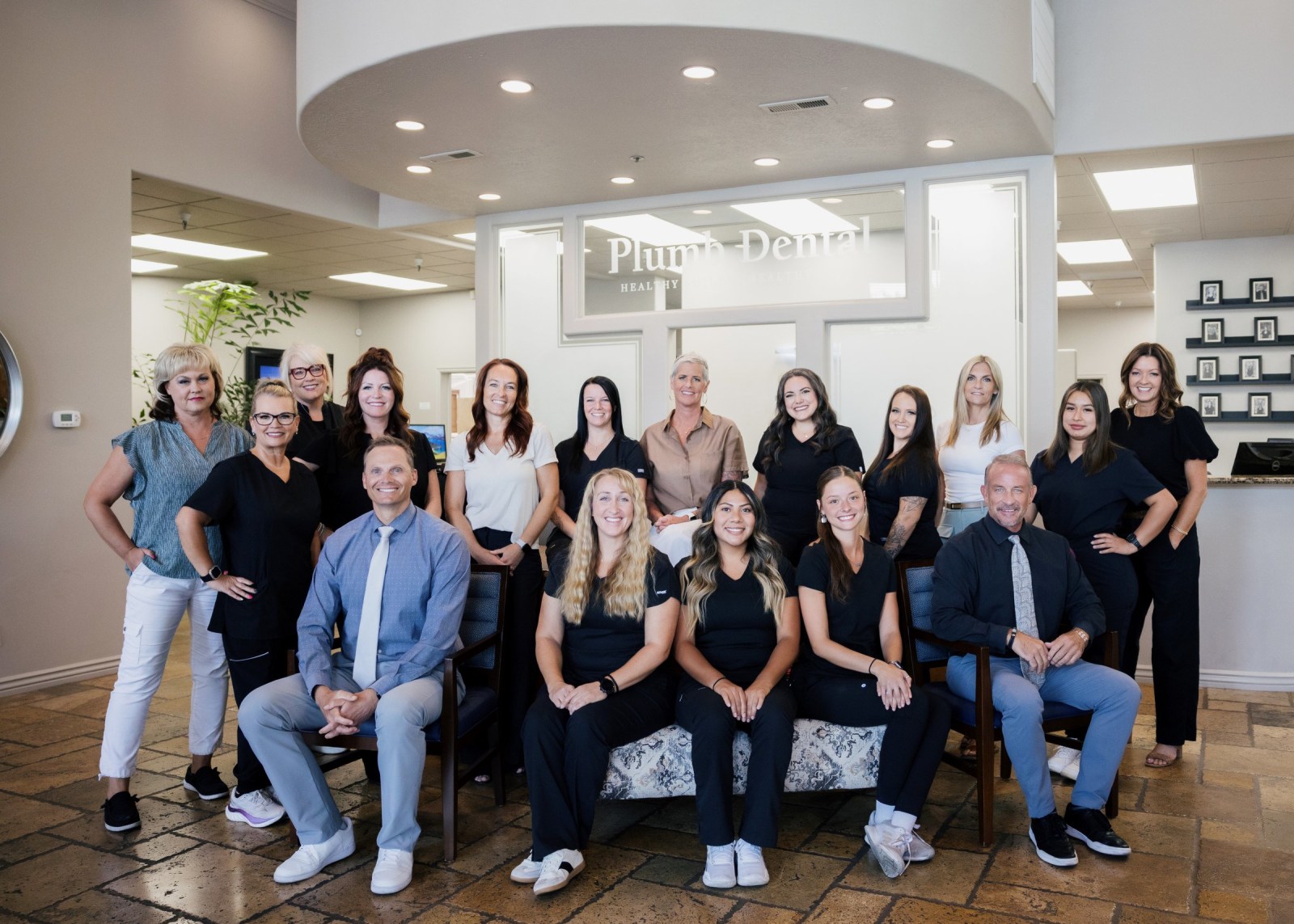
At Plumb Dental, Dr. Plumb and Dr. Woodbury will evaluate your oral health, review your imaging, and explain which options are appropriate. If your natural tooth can be predictably saved, we'll discuss that possibility before recommending replacement.
You'll also receive information about the treatment process, timeline, and costs so you can make an informed decision.
Call (435) 673-9606 to schedule your consultation, or visit Plumb Dental at 427 W 100 South, St. George, UT. Whether your tooth was lost recently or you've been living with a gap for years, we're here to help you understand your next steps.
We can’t wait to meet you
Call (435) 673-9606 or request an appointment online to set up your first visit. We’ll be in touch soon.
Schedule an appointment
