CEREC vs. Traditional Crowns: Which One Fits Your Tooth and Your Week?

You just found out you need a crown. The tooth part you can handle. It's the "come back in two weeks" part that throws off your whole month. The good news is that's not always how it has to go. At Plumb Dental, we can usually offer you two different paths to the same result, and the right one depends on your tooth, your smile, and yes, your schedule.
A CEREC same-day crown is scanned, designed, and milled right here in our St. George office in a single visit, so you leave with a finished crown the same morning you came in. A traditional crown is built by a dental lab, which means two appointments with a temporary crown in between. Both protect your tooth and look natural. Which one fits your situation is a straightforward conversation once we take a look.
Want to talk it through before coming in? Call us at (435) 673-9606.
Crown Options at a Glance
- A same-day crown means one appointment, start to finish. No temporary crown, no second trip.
- A lab crown takes two visits, usually one to two weeks apart, with a temporary crown protecting your tooth in between.
- Front teeth and bigger cases often look better when a skilled ceramist builds the crown by hand. That extra craftsmanship can make a real difference when the tooth shows in your smile.
- Cost is similar either way. The choice really comes down to what is best for your tooth, and that is a straightforward conversation once we take a look.
How Each Kind of Crown Gets Made
The CEREC Same-Day Route
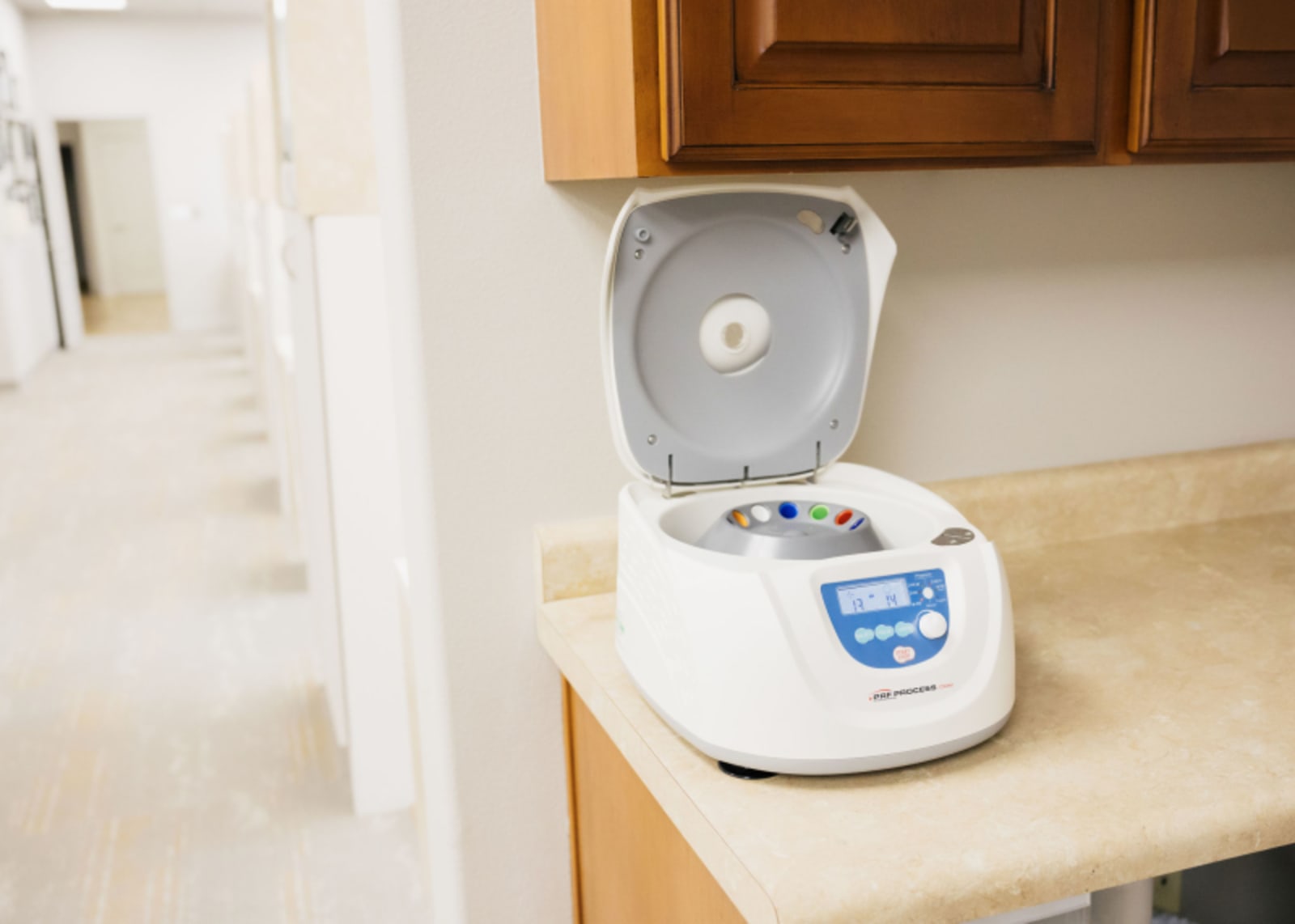
We numb the tooth, reshape it, and take a digital scan instead of the old tray of impression putty. A milling machine in our office carves your crown from a ceramic block while you wait, and we cement it in place the same day. One visit, start to finish.
The Traditional Lab Route
The tooth prep is the same. We place a temporary crown while a skilled lab ceramist builds your permanent one by hand, layering and staining ceramic to get the color just right. You come back in one to two weeks, the temporary comes off, and the final crown goes on.
What Stays the Same Either Way
Getting numb, shaping the tooth, checking your bite, cementing the crown: all of that happens regardless of which path you take. Neither option is the budget version or the premium upgrade. They're just two different ways to get to the same place.
What Each Option Does Well
Same-Day CEREC Crown
- One appointment and you're done. If you're driving in from the far end of Washington County, getting it all handled in a single trip is a real win.
- No temporary crown to worry about. Temporaries do their job, but they can come loose on sticky food and make the tooth sensitive to cold drinks. With a same-day crown, you skip that whole in-between phase.
- Your tooth gets protected right away. Once a tooth is prepared for a crown, it's a little vulnerable until the permanent one goes on. Getting that cover the same afternoon is a relief, especially if the tooth was already broken or bothering you.
Traditional Lab Crown
- A human touch for front teeth. A dental ceramist builds your crown by hand, adding layers of color and natural-looking depth that can be hard to replicate with a milling machine. If the crown is going right in the front of your smile, that extra craftsmanship can make a real difference.
- More planning time for complex cases. If you need several crowns, a bridge, or work that changes how your teeth come together, having a little extra time and a ceramist's careful eye helps everything come out right.
Who Should Choose Which
For most back teeth, a same-day crown is a great fit. The shape is straightforward, the bite is easy to check, and if you'd rather be done in one visit, that's a completely reasonable preference. A lab-made crown tends to make more sense in these situations:
- It's a Front Tooth. A skilled ceramist working by hand can add subtle color variation and natural depth that a milling machine alone has a harder time matching. When the crown sits right in your smile line, that extra detail matters.
- Several Teeth Are Involved. Multiple crowns, a bridge, or anything that changes how your teeth fit together benefits from the extra planning time a lab provides.
- Your Bite Needs Attention First. If something feels off with how your teeth come together, we want to sort that out before anything permanent goes on.
- You Grind or Clench at Night. Heavy grinding puts extra stress on crowns, so material choice matters more here, and that conversation is worth having before we start.
If enough healthy tooth remains, a filling or onlay might do the job with less removal of natural structure. If the tooth is too far gone, we'd rather be honest about that and talk through a dental implant than place a crown that won't hold up. And if a front tooth is your concern, it's worth exploring our cosmetic dentistry options at the same visit. A crown may not even be the best path.
Your Timeline, Realistically
Same-Day Crown: One Appointment, Roughly Two Hours
We numb the tooth, shape it, and take a digital scan. While the milling machine does its work, you wait in the chair, and you leave that same day with a permanent crown already in place.
Traditional Crown: Two Appointments, One to Two Weeks Apart
The first visit runs about an hour to an hour and a half: tooth prep, scan or impression, and a temporary crown to protect things while the lab works. The second visit is usually shorter, and most patients don't need numbing for it.
The First Few Days, Either Way
Some sensitivity to cold or pressure for a few days is normal and usually fades on its own. If your bite feels off, let us know: it's a quick adjustment and makes a real difference in comfort.
Getting Ready and Caring for It Afterward
Eat something before you come in since you'll be numb for a while. That's honestly the biggest prep tip. If dental appointments make you anxious, mention it when you call. Dr. Plumb has advanced training in both oral and IV sedation, and we'd much rather you leave comfortable than white-knuckled. You can read more about our sedation options before you come in.
Once the crown is on, treat it like a regular tooth: brush twice a day and floss daily, sliding the floss out sideways rather than snapping it up. The crown itself can't get a cavity, but the natural tooth at its edge can, so keeping up with regular cleanings and preventive care still matters. If you grind at night, a nightguard is the best thing you can do to protect it long-term.
What It Costs
Both options come out to a similar price. What we invest in our in-office milling equipment roughly equals what we'd pay a dental lab. The real savings with same-day is your time, not your wallet.
If you have dental insurance, we'll bill them as a courtesy. Crowns fall under "major restorative" coverage, meaning they're covered at a lower percentage than a cleaning, and your deductible and annual maximum apply. We'll walk you through the numbers before anything gets started.
Why Patients Trust Us With This Call
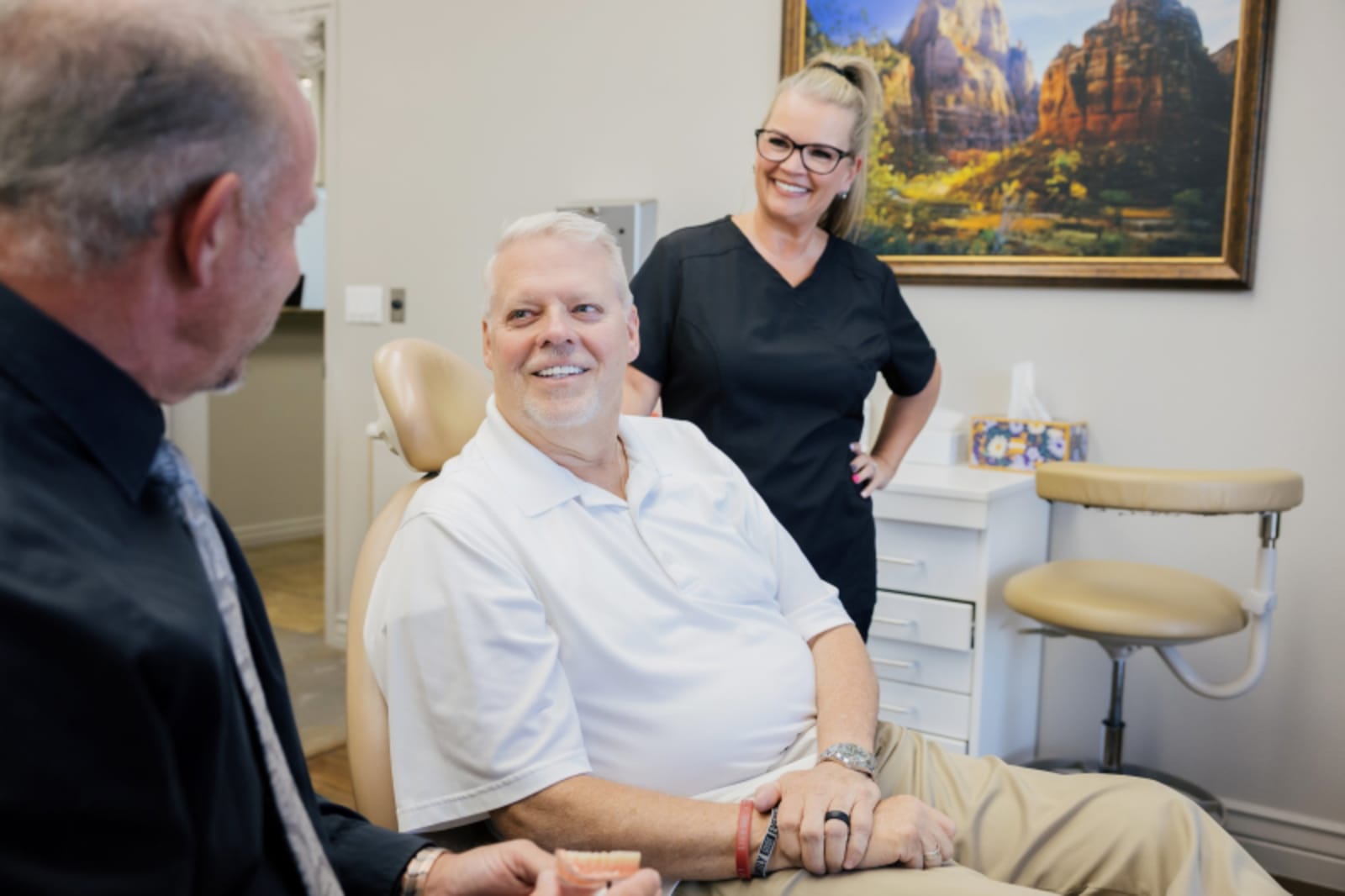
Having both options under one roof means the recommendation is always about your tooth, not about what is convenient for us. If we only had the milling machine, every case would somehow become a same-day crown. If we only used a lab, you would always be coming back twice. Because we do both well, you get the option that actually fits your situation.
- Dr. William J. Plumb, DDS has advanced training in cosmetic dentistry, gum and bone surgery, implants, and sedation.
- Dr. Spencer Woodbury, DDS excels at complex procedures and the latest technology, and is fluent in Spanish, which is a real comfort to many families in the St. George area.
We will walk you through the cost before anything gets started, and if you want to go home and think it over, we will hold the plan until you are ready. No pressure, no judgment.
Frequently Asked Questions
Are CEREC Crowns as Strong as Lab Crowns?
Yes. Strength comes down to material choice and how the tooth was prepared, not where the crown was made.
Will a Same-Day Crown Look Natural?
On back teeth, you won't notice a difference. On a front tooth, a lab ceramist can add subtle color variation and depth that a milling machine has a harder time matching. If your front smile is the concern, that's worth discussing at your visit.
Do I Need a Temporary Crown With CEREC?
No. The permanent crown is milled and cemented the same day, so there is no temporary and no second appointment.
How Long Does a Crown Last?
Many crowns last fifteen years or longer. How long yours lasts depends mostly on your habits: cleaning around the gum line, avoiding grinding at night, and keeping up with regular checkups.
Can an Old Crown Be Replaced the Same Day?
Often, yes. We remove the old crown, assess the tooth underneath, and if it is in good shape, we scan and mill a new one right away. If we find decay or a crack, we will walk you through the options before moving forward.
Is Getting a Crown Uncomfortable?
The tooth stays numb throughout. Most patients find the digital scan much easier than traditional impression putty. While the crown is being milled, you simply wait. If anxiety is a concern, sedation options are available. Just mention it when you call.
Let's Take a Look Together
No question is too small, and no situation is too far gone to talk through. We'll walk you through which option we'd recommend and why, and give you a clear number before anything gets started. If the lab is the right call, we'll say so. No pressure, no judgment.
Give us a call at (435) 673-9606. We're at 427 West 100 South in St. George, and we'd love to see you.